
How to Choose Security Film Thickness: 7 mil vs 14 mil+
Ground-Floor and Exposed Windows Need 14 mil+ Film — 7 mil Is Enough for Upper Floors
Ground-floor windows and any window in an exposed position — within reach from the ground, beside a door lock, or a large pane an intruder can climb through — need heavy-duty 14 mil+ film, while standard 7 mil film is enough for upper-floor windows and panes that cannot be reached without a ladder. Security film starts from $500 at Window Fortress, and the choice between the two thicknesses is about matching the film to the risk of each window — not about buying the thickest film for every pane in the house.
Both thicknesses do the same job: a clear polyester layer bonded to the inside of the glass holds the broken pieces together in the frame, so a struck window cracks but does not fall away and leave an open hole. The difference is how long each one keeps holding under repeated strikes — and that matters most exactly where an intruder has time and cover.
The Facts at a Glance
| Item | Detail |
|---|---|
| Service | Security Film Thickness (7 mil vs 14 mil+) |
| Business | Window Fortress |
| Area served | Greater Golden Horseshoe |
What Does "Mil" Mean in Security Film?
A mil is one-thousandth of an inch (0.0254 mm), so 7 mil film is about 0.18 mm thick and 14 mil film is about 0.36 mm thick — the heavy-duty film is roughly twice the polyester of the standard film. The number measures the film layer itself, not the glass, and it is the same unit used across the window film industry: security film generally runs 4 to 14 mil, while ordinary solar film is only 1.5 to 2 mil.
Thickness is not the same as strength in a simple straight line. A thicker film is stiffer and harder to tear through, so it holds a cracked pane together through more strikes. But thickness alone does not protect a window — the film must also be anchored to the frame, because a hard enough hit can push a whole filmed pane out of a weak frame.
How Does 7 mil Film Compare with 14 mil+ Film?
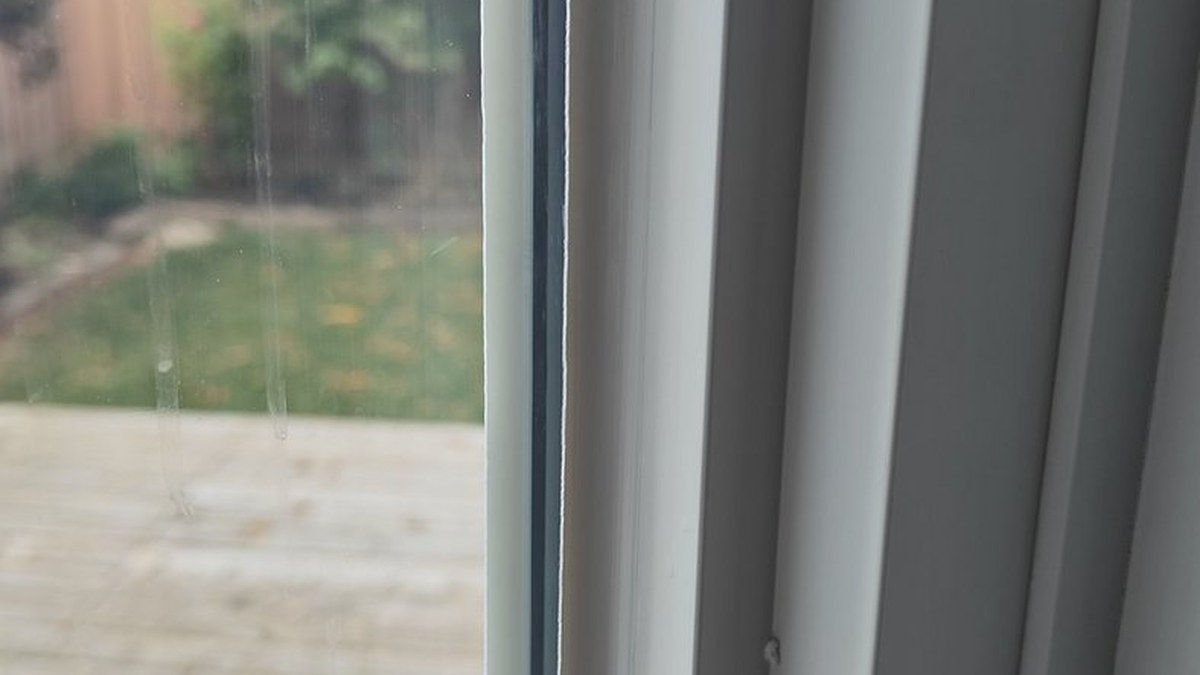
Both hold cracked glass in the frame, but 14 mil+ film resists repeated strikes longer and stays bonded under harder hits, while 7 mil film is the lighter standard option that does the same job on lower-risk windows. A struck 7 mil pane cracks and holds; a 14 mil+ pane does the same, but it takes more strikes and more force before the film itself gives way. Neither makes the glass unbreakable — both buy time and noise, and the heavier film buys more of both.
The trade-off is practical, not visual. Both films are optically clear — no tint, no mirror finish — and both block up to 99% of UV, so a 14 mil+ window looks the same from the street as a 7 mil one. The heavier film uses more material and is harder to work with, so it costs more to install; a fixed price is confirmed in writing after a free in-home measurement.
Can Security Film Go on the Outside of the Glass?
Yes, but only the thinner film: exterior applications use an exterior-grade 7 mil film, while 14 mil+ film is installed on the inside of the glass only. Security film is normally applied to the interior surface, where it is protected from the weather; when the inside of a window cannot be reached, an exterior-grade 7 mil film goes on the outside instead. A 14 mil+ film is too stiff to apply and seal reliably outdoors, and manufacturers make exterior-grade film in 7 mil — Madico's own guidance is that an exterior-grade 7 mil film is used for exterior applications.
Which Windows Need 14 mil+ Film?
Choose 14 mil+ film for ground-floor windows, basement windows, large patio-door panes, and any window beside a door lock that an intruder could reach through. These are the exposed positions — the windows an intruder can reach and work on — and the extra thickness turns a quick smash into minutes of loud, hard work. Among them, the hidden ones matter most: a ground-floor window behind a fence, a hedge, or a side passage gives an intruder cover to keep working, so it is the first window to get the heavier film.
Standard 7 mil film fits the rest: upper-floor windows without easy access and any pane an intruder cannot reach without a ladder. These windows are not exposed to a quick smash-and-grab, so the lighter film does the same job for less — it holds the glass together long enough for the noise to matter.
How Do You Choose the Right Thickness for Your Home?
Walk around your home, sort each window into two groups — exposed and not exposed — and match the film to the risk. It takes ten minutes:
- Start on the ground floor. Every ground-floor window, basement window, and patio-door pane goes in the exposed group — these are the 14 mil+ candidates.
- Add any window within arm's reach of a door lock, and any window you can reach from a deck, porch, or flat roof. Reachable means exposed, even on an upper floor.
- Note which of the exposed windows are hidden from the street — behind a fence, hedge, shed, or side passage. These are the first to get 14 mil+, because an intruder has cover to keep working on them.
- Check the frames. Rot, soft wood, and loose screws should be fixed before film goes on, and anchoring should be added to every ground-floor and basement window, because reinforcement is only as strong as the frame holding it.
Bring the list to the free in-home security check: the installer measures each window and confirms the thickness and fixed price in writing. Most homes end up with a mix.
Does Thicker Film Change How the Window Looks or Cures?
No — both 7 mil and 14 mil+ film are optically clear, so the window looks the same from the street either way, and both need the same curing time after installation. The film grows stronger over the first few weeks as the adhesive cures, so the inside of the windows should not be cleaned during that period, whichever thickness was installed.
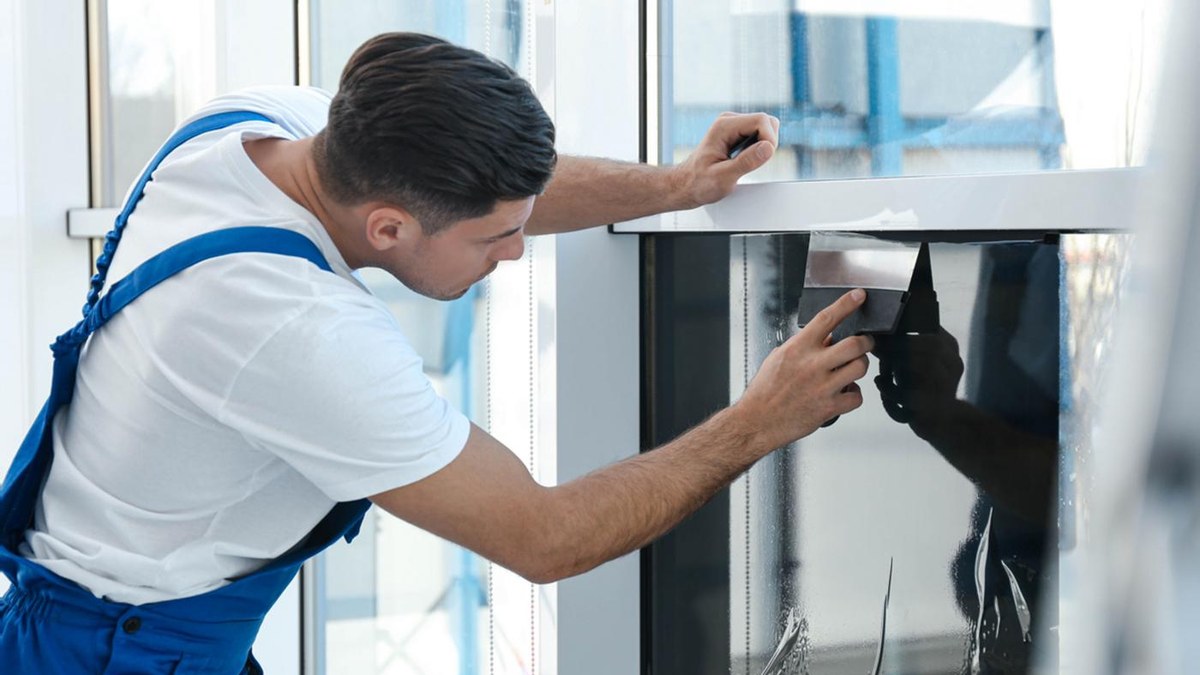
One thing thicker film does change is handling: 14 mil+ film is stiffer and harder to apply bubble-free, which is one more reason film installation is best left to a professional.
In Short
Verdict: choose 14 mil+ film for ground-floor and exposed windows and 7 mil film for upper floors and hard-to-reach panes — match the thickness to the risk of each window, not the whole house. Either thickness holds cracked glass in the frame and buys the time and noise that stop most break-ins; the heavier film buys more of both where an intruder can reach the glass. Add a frame anchor on every ground-floor and basement window, and the glass stops being the easy way in.
Questions and Answers
Is 14 mil film worth it for every window?
No. It is worth it where an intruder can reach the glass — ground-floor and basement windows, large patio-door panes, and windows beside a door lock. On upper floors and panes that cannot be reached without a ladder, standard 7 mil film does the same job for less, and most homes end up with a mix of the two.
How much does security film cost in Toronto?
Invisible window security film starts from $500 at Window Fortress. The final price depends on the number and size of the windows, the thickness chosen, and whether anchoring is included; a fixed price is confirmed in writing after a free in-home measurement.
References
- International Window Film Association, Safety & Security Education Guide — "security film is an optically clear, elastomeric film applied to interior glass with an aggressive pressure-sensitive adhesive to hold broken glass together."
- FacilitiesNet, How Window Security Film Works — "security film (4–14 mil) is significantly thicker than solar film (1.5–2 mil) and is anchored into the window system by wet-glazed or mechanical installation."
- European Window Film Association, Safety and Security Window Films (Technical Paper, March 2024) — "safety film is a polyester (PET) substrate with a scratch-resistant coating on one side and a pressure-sensitive adhesive on the other."
- Madico, Glazing Protection — "For exterior applications, an exterior grade 7 mil safety film is used."